Summary

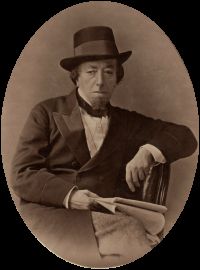
Portrait of Benjamin Disraeli Benjamin Disraeli Tancred — Chapter II. The House of Bellamont (1847)

He never forgot that he was a Montacute, though he had forgotten, like the world in general, that his grandfather once bore a different and humbler name. All merged in the great fact, that he was the living representative of those Montacutes of Bellamont, whose wild and politic achievements, or the sustained splendour of whose stately life had for seven hundred years formed a stirring and superb portion of the history and manners of our country. Death was preferable, in his view, to having such a name soiled in the haunts of jockeys and courtesans and usurers
Source: Wikisource

Portrait of Benjamin Disraeli Benjamin Disraeli Tancred — Chapter II. The House of Bellamont (1847)

Benjamin Franklin was not more calmly contumacious than the individual whom his treason had made an English peer. In that age of violence, change and panic, power, directed by a clear brain and an obdurate spirit, could not fail of its aim; and so it turned out, that, in the very teeth of the royal will, the simple country gentleman, whose very name was forgotten, became, at the commencement of this century, Duke of Bellamont, Marquis of Montacute, Earl of Bellamont, Dacre, and Villeroy, with all the baronies of the Plantagenets in addition.
Source: Wikisource

Portrait of Benjamin Disraeli Benjamin Disraeli Tancred — Chapter II. The House of Bellamont (1847)

From straitened circumstances, and without having had a single fancy of youth gratified, the Duke of Bellamont had been suddenly summoned to the lordship of an estate scarcely inferior in size and revenue to some continental principalities; to dwell in palaces and castles, to be surrounded by a disciplined retinue, and to find every wish and want gratified before they could be expressed or anticipated.
Source: Wikisource

Get perspective with Kwize: daily news enlightened by great literature