Summary

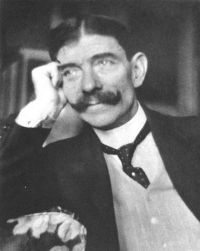
Portrait of Frank Harris Frank Harris Eatin' Crow; and The Best Man in Garotte

What expression this sentiment would have found it is impossible to say, for just then Bill Hitchcock observed with a sneer:
“As he's run, I may as well walk;” and he stepped towards the bar-room.
Instantly Crocker threw himself in front of him with his face on fire.
“Walk—will ye?” he burst out, the long-repressed rage flaming up—“walk! when you've jumped the best man in Garotte—walk! No, by God, you'll crawl, d'ye hear? crawl—right out of this camp, right now!” and he dropped his revolver on Hitchcock's breast.
Source: Gutenberg

Portrait of Frank Harris Frank Harris Eatin' Crow; and The Best Man in Garotte

Good-humour accordingly reigned at Doolan's, and the saloon was filled with an excited, hopeful crowd. Bill Bent, however, was anything but pleased; he generally was in a bad temper, and this evening, as Crocker remarked carelessly, he was “more ornery than ever.” The rest seemed to pay no attention to the lanky, dark man with the narrow head, round, black eyes, and rasping voice. But Bent would croak: “Whitman's struck nothin'; thar ain't no gold in Garotte; it's all work and no dust.”
Source: Gutenberg

Portrait of Frank Harris Frank Harris Eatin' Crow; and The Best Man in Garotte

And yet he was a power in Garotte. When he came to the camp, a row was the only form of recreation known to the miners. A “fuss” took men out of themselves, and was accordingly hailed as an amusement; besides, it afforded a subject of conversation. But after Lawyer Rablay's arrival fights became comparatively infrequent. Would-be students of human nature declared at first that his flow of spirits was merely animal, and that his wit was thin; but even these envious ones had to admit later that his wit told, and that his good-humour was catching.
Source: Gutenberg

Get perspective with Kwize: daily news enlightened by great literature