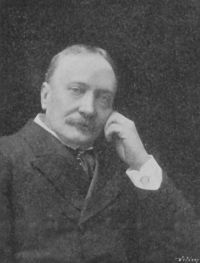
František Lützow

František Lützow

Summary

Portrait of František Lützow František Lützow The Czechoslovak Review (1918)

During the brief reign of Matthias (1611–1619) the religious troubles in Bohemia continued and reached their climax in the famous defenestration of Prague. Matthias, like his brother, was childless, and the question of the succession to the Bohemian throne was therefore urgent. The Estates met at Prague in 1617, and through the influence of the Government officials, Archduke Ferdinand of Styria was accepted as heir to the throne. Only one of the officials Count Thurn, burgrave of the Karlstyn, opposed the acceptation, and was therefore deprived of his office.
Source: Wikisource

Portrait of František Lützow František Lützow The Czechoslovak Review (1918)

The revolution carried on today by the Czech people against their Hapsburg tyrants is supported with just as much enthusiasm by the peasant and the workingman, as by the bourgeois, although of course it is true that the nobles of Bohemia are nearly all German. And because the whole nation is united against the foreign ruler, this rebellion of 1918 will have a different outcome than the rebellion of 1618.
We give here an account of the so called “Defenestration of Prague”, the opening act of the Bohemian rebellion and of the thirty years’ war, as told by Count Lützow in his “Story of Prague”.
Source: Wikisource

Portrait of František Lützow František Lützow The Czechoslovak Review (1918)

Slik particularly accused Martinic of having deprived “that noble Bohemian hero, Count Thurn”, of his office of burgrave of the Karlstyn. He added that, “as long as old men, honest and wise, had governed Bohemia the country had prospered, but since they (i. e., Martinic and Slavata) , worthless disciples of the Jesuits, had pushed themselves forward, the ruin of the country had begun.”
Source: Wikisource

Get perspective with Kwize: daily news enlightened by great literature