Summary

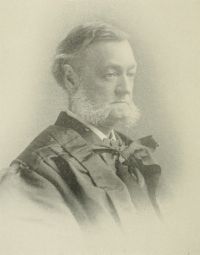
Portrait of George Shiras, Jr. George Shiras, Jr. Andrews v. United States (162 U.S. 420… (1896)

United States
Error is attributed to the court below in permitting the witness Flint to testify in the case, for the reason that he was an officer of the United States, and that correspondence was carried on, through the mails, for the sole purpose of obtaining evidence from the defendant upon which to base the prosecution. A similar contention was disposed of by this court in the case of Grimm v. U.S., 156 U.S. 604, 15 Sup. Ct.
Source: Wikisource

Portrait of George Shiras, Jr. George Shiras, Jr. Andrews v. United States (162 U.S. 420… (1896)

The evidence showed that the letters in question were private sealed letters, inclosed in envelopes upon which there was nothing but the name and address of the person to whom they were sent; and it is contended that the depositing of such letters in the mail is not an offense within the meaning of section 3893 of the Revised Statutes, even as amended in 1888. By that amendment, the word 'letter' was inserted in the § atute. In the case of U.S. v. Chase, 135 U.S. 255, 10 Sup. Ct. 756, which was the case of an indictment for an offense committed before the amendment, Mr.
Source: Wikisource

Get perspective with Kwize: daily news enlightened by great literature