Summary

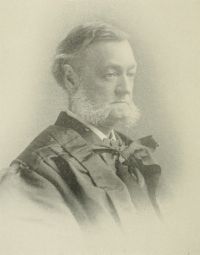
Portrait of George Shiras, Jr. George Shiras, Jr. Cutler v. Huston — Opinion of the Court

The court held the mortgage void, and said: 'Any creditors have a right to avoid an unrecorded mortgage who have, during its absence from the record, done anything material which they may be fairly considered to have done on the basis of its nonexistence.'
In Cutler v. Steele, 85 Mich. 627, 48 N. W. 631, where, at the suit of another creditor, this very mortgage was held invalid, it was said: 'We are therefore of opinion that the term 'creditors' used in the statute includes those who have entered into contracts with parties as indorsers, guarantors, or sureties.
Source: Wikisource

Portrait of George Shiras, Jr. George Shiras, Jr. Cutler v. Huston — Opinion of the Court

Such contracts in the commercial world are every-day transactions. It is impossible to believe the legislature did not enact this statute with a view to protect creditors against all those upon whose promises, whether principal or contingent, they had parted with valuable consideration.'
It is evident that, had the mortgage in question been filed of record on July 12, 1889, Theodore Huston would not, on August 17, 1889, have accepted the Steele note as part of his patrimony, nor have caused it to be assigned to the defendant in error.
Source: Wikisource

Portrait of George Shiras, Jr. George Shiras, Jr. Cutler v. Huston — Opinion of the Court

Huston, as the assignee of the note, was a bona fide creditor of Steele, it is next objected that, as matter of law, she did not become such creditor, on August 17, 1889, within the meaning and intent of the statute of Michigan making chattel mortgages, not accompanied by change of possession, or not filed in the clerk's office, void as against other creditors of the mortgagor.
Source: Wikisource

Get perspective with Kwize: daily news enlightened by great literature