Summary

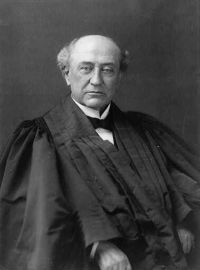
Portrait of David Josiah Brewer David Josiah Brewer May v. Tenney — Opinion of the Court

There is neither in terms nor by implication any duty cast upon an insolvent to dispose of his property by a general assignment, or anything which prevents him from paying or securing one creditor in preference to others. On the contrary, the last half of section 18 plainly recognizes the right of a debtor to prefer by payment or security; and, in the light of this statute, the quotation which we have made from the supreme court of Colorado becomes pertinent, which clearly affirms the right of a debtor to do with his property as he pleases, except as in terms restrained by statute
Source: Wikisource

Portrait of David Josiah Brewer David Josiah Brewer May v. Tenney — Opinion of the Court

Not only that, the conveyance is for the sole benefit of the grantees named in it,-May and Hirsch. No other creditor is to receive any benefit therefrom. But an assignment contemplates the intervention of a trustee. 'A voluntary assignment for the benefit of creditors implies a trust, and contemplates the intervention of a trustee. Assignments directly to creditors, and not upon trust, are not voluntary assignments for the benefit of creditors.' Burrill, Assignm.
Source: Wikisource

Portrait of David Josiah Brewer David Josiah Brewer May v. Tenney — Opinion of the Court

Obviously there was no conspiracy between the parties, and all talk between them was only to the effect that, if Rich should succeed in buying what he talked of buying, May and Hirsch would help him to carry the burden. He largely failed in that; and they, when he became pressed by the bank, simply took measures for their own protection. It being conceded, as it is, that the debts from Rich to May and Hirsch were bona fide, the transaction amounted to this, and this only: that the debtor used his property to prefer certain bona fide creditors.
Source: Wikisource

Get perspective with Kwize: daily news enlightened by great literature