Chattel mortgage

Definition and stakes

1911 Encyclopædia Britannica, Volume 6… (1911)

A chattel mortgage, in United States law, is a transfer of personal property as security for a debt or obligation in such form that the title to the property will pass to the mortgagee upon the failure of the mortgagor to comply with the terms of the contract. At common law a chattel mortgage might be made without writing, and was valid as between the parties, and even as against third parties if accompanied by possession in the mortgagee, but in most states of the Union legislation now requires a chattel mortgage to be in writing and duly recorded in order to be valid against third parties.
Source: Wikisource

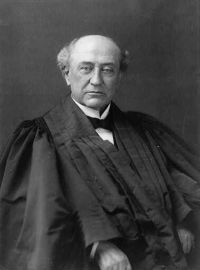
Portrait of Henry Billings Brown Henry Billings Brown Davis v. Schwartz — Opinion of the Court

It is sometimes difficult to determine whether a particular instrument is a mortgage or an assignment with preferences. The test most frequently applied is whether the conveyance is of all the property of the debtor, and is made to a trustee for the benefit of certain creditors. In such cases it is usually held to be an assignment, but, if the conveyance be made directly to the creditor himself, it is ordinarily treated as a chattel mortgage.
Source: Wikisource

Lucius Quintus Cincinnatus Lamar Broom v. Armstrong — Opinion of the Court

This remedy of a suit for foreclosure of a chattel mortgage has been adopted in most of the states, and has been much commended by the courts and text-writers as a safer and more adequate remedy for recovering debts secured by chattel mortgages, and enforcing the lien of the mortgagee, than that of actual seizure and sale of the property by the mortgagee, or than the action of replevin, detinue, or trover.
Source: Wikisource

Get perspective with Kwize: daily news enlightened by great literature