Summary

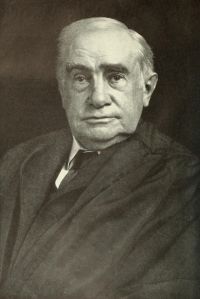
Portrait of Henry Billings Brown Henry Billings Brown Huntley v. Kingman Company — Opinion of the Court

Whatever may be the rule with regard to general assignments for the benefit of creditors, there can be no doubt that in cases of chattel mortgages (and the instrument in question, by whatever name it may be called, is in reality a chattel mortgage) the reservation of a surplus to the mortgagor is only an expression of what the law would imply without a reservation, and is no evidence of a fraudulent intent.
Source: Wikisource

Portrait of Henry Billings Brown Henry Billings Brown Huntley v. Kingman Company — Opinion of the Court

But, if the reservation be only of any surplus which may chance to remain after the debts are paid, it is difficult to see why it should invalidate the instrument, as the creditors obtain all they are entitled to, and the surplus is that which, as matter of law, properly belongs to the mortgagor. It so rarely happens that a surplus is realized after the payment of all the debts that courts should not be too technical in holding that the reservation of such surplus invalidates the instrument, unless it appears to have been made with fraudulent intent.
Source: Wikisource

Get perspective with Kwize: daily news enlightened by great literature