Summary

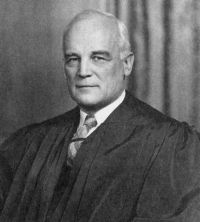
Portrait of Harold Hitz Burton Harold Hitz Burton On Lee v. United States — Dissent

It seems clear that if federal officers without warrant or permission enter a house, under conditions amounting to unreasonable search, and there conceal themselves, the conversations they thereby overhear are inadmissible in a federal criminal action. It is argued that, in the instant case, there was no illegal entry because petitioner consented to Chin Poy's presence. This overlooks the fact that Chin Poy, without warrant and without petitioner's consent, took with him the concealed radio transmitter to which agent Lee's receiving set was tuned.
Source: Wikisource

Portrait of Harold Hitz Burton Harold Hitz Burton On Lee v. United States — Dissent

I agree with the dissenting opinion below that what Lee overheard by means of a radio transmitter surreptitiously introduced and operating, without warrant or consent, within petitioner's premises, should not have been admitted in evidence. The Fourth Amendment's protection against unreasonable searches and seizures is not limited to the seizure of tangible things. It extends to intangibles, such as spoken words.
Source: Wikisource

Get perspective with Kwize: daily news enlightened by great literature