Summary

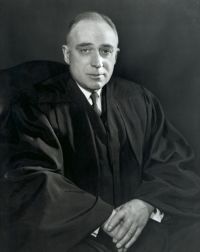
Portrait of John Marshall Harlan II John Marshall Harlan II Bumper v. North Carolina — Concurrence

The State introduced eyewitness identification of petitioner by his two victims, and a gun with which there was evidence these victims were shot, together with testimony that it had been found in petitioner's place of abode. The jury could, of course, have found the testimony of the victims credible beyond a reasonable doubt, and convicted petitioner on this basis alone. But it might well not have. The addition of a tangible cross-check linking petitioner with the crime can hardly be said, from the judicial vantage point, to have been harmless surplusage.
Source: Wikisource

Portrait of John Marshall Harlan II John Marshall Harlan II Bumper v. North Carolina — Concurrence

Crediting or discrediting evidence is the function of the trier of fact, in this case a jury. The jury's verdict is a lawful verdict, however, only if it is based upon evidence constitutionally admissible. When it is not, as it is not here, reversal rests on the oldest and most fundamental principle of our criminal jurisprudence-that a defendant is entitled to put the prosecution to its lawful proof.
The evidence against petitioner consisted in part of a gun that he alleged was unlawfully taken from the home of Mrs. Leath, where petitioner was living.
Source: Wikisource

Get perspective with Kwize: daily news enlightened by great literature