Summary

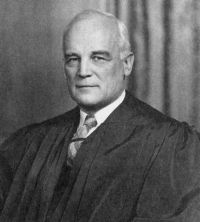
Portrait of Harold Hitz Burton Harold Hitz Burton United States ex rel. Sherman v…

It is undisputed that if the collective-bargaining agreement had required the contractor to pay each employee 7 1/2 cents per hour above the prevailing wage rate, and the employee had, by contract with his bargaining representative, agreed to contribute that sum to the fund, the surety would have been obligated to make good any default in the contractor's payment of that extra 7 1/2 cents per hour.
Source: Wikisource

Portrait of Harold Hitz Burton Harold Hitz Burton United States ex rel. Sherman v…

Suffice it to say that the trustees' relationship to the employees, as established by the master labor agreements and the trust agreement, is closely analogous to that of an assignment. The master labor agreements not only created Carter's obligation to make the specified contributions, but simultaneously created the right of the trustees to collect those contributions on behalf of the employees. The trust agreement gave the trustees the exclusive right to enforce payment. The trustees stand in the shoes of the employees and are entitled to enforce their rights.
Source: Wikisource

Portrait of Harold Hitz Burton Harold Hitz Burton United States ex rel. Sherman v…

The Miller Act represents a congressional effort to protect persons supplying labor and material for the construction of federal public buildings in lieu of the protection they might receive under state statutes with respect to the construction of nonfederal buildings. The essence of its policy is to provide a surety who, by force of the Act, must make good the obligations of a defaulting contractor to his suppliers of labor and material.
Source: Wikisource

Get perspective with Kwize: daily news enlightened by great literature