Summary

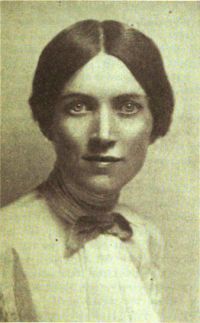
Portrait of Honoré Willsie Honoré Willsie Lydia of the Pines — VIII. The Note (1917)

Levine," asked Lydia, "where'll the Indians go?"
John shrugged his shoulders. "Go to the devil, most of them."
"Oh, but that seems terrible!" cried Lydia.
"No more terrible than the way they live and die on the reservation. My dear child, don't develop any sentiment for the Indian. He's as doomed as the buffalo. It's fate or life or evolution working out—whatever your fancy names it. No sickly gush will stop it. As long as the Indian has a pine or a pelt, we'll exploit him.
Source: Wikisource

Portrait of Honoré Willsie Honoré Willsie Lydia of the Pines — VIII. The Note (1917)

When he has none, we'll kick him out, like the dead dog he is."
Lydia, her eyes round, her lips parted, did not reply. For a moment she saw the Levine that the world saw, cold, logical, merciless. John interpreted her expression instantly and smiled. "Don't look at me so, young Lydia. I'm just being honest. The rest talk about 'freeing the Indian.' I say damn the Indian, enrich the whites."
"It—it makes me feel sort of sick at my stomach," replied Lydia, slowly. "I suppose you're right, but I can't help feeling sorry for Charlie Jackson and my old squaw."
Source: Wikisource

Portrait of Honoré Willsie Honoré Willsie Lydia of the Pines — VIII. The Note (1917)

Kent, Lydia and Charlie exchanged glances.
"I had a pretty good summer," said Lydia. "I sewed and cooked and scrubbed and swam and once Adam, Dad, Mr. Levine and I walked clear round the lake, eighteen miles. Adam nearly died, he's so fat and bow-legged. He scolded all the way."
"I don't see how your father can let that Mr. Levine come to your house!" exclaimed Margery with sudden energy. "My father says he's a dangerous man."
Source: Wikisource

Get perspective with Kwize: daily news enlightened by great literature