Summary

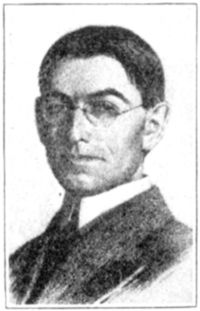
Portrait of Hugh Pendexter Hugh Pendexter The Bushfighters — III. The Messenger Who Failed (1920)

The boundary disputes between the colonies, especially those of New York, Connecticut, Pennsylvania and Virginia, and their continual jealousies and refusals to cooperate pleased the Long House immensely. Out of so much bickering and confusion the Indian's influence held strong, his pressure always mandatory; and for decades the colonists traveled up and down the hundred and fifty mile wide strip of seaboard before daring to cross the Alleghanies in numbers.
Putnam was one to turn subjects over in his shrewd mind and view them from all angles.
Source: Wikisource

Portrait of Hugh Pendexter Hugh Pendexter The Bushfighters — III. The Messenger Who Failed (1920)

It's work for one of Rogers' rangers. Major Rogers would approve; and he never sends men where he wouldn't readily go,” insisted Putnam.
Lyman paced back and forth a few times. Then he said:
“The killings must be stopped, else the outpost must be abandoned. Not only are we our men but we're poisoning their minds with a terrible fear of the red devils. If we quit the post the Long House will know about it and laugh at us and call us women, same as they laughed at us for burning our fort at Saratoga.”
Source: Wikisource

Portrait of Hugh Pendexter Hugh Pendexter The Bushfighters — III. The Messenger Who Failed (1920)

Pomeroy, Stark and many others of their kind were serving, like Putnam, in Major Robert Rogers' independent command of rangers.
As Putnam scouted the thick forest, ever casting about for some trace of the girl, he wished the country were more open, such as the West was said to be. Then there would be no ghastly tragedies of troops lost and bewildered in the somber woods, but a rattling, smashing campaign in God's sunlight, a mode of attack the Indians were chary to resist.
Source: Wikisource

Get perspective with Kwize: daily news enlightened by great literature