Summary

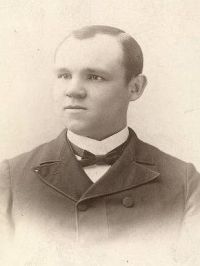
Portrait of James E. Talmage James E. Talmage Jesus the Christ — Chapter 10

When Pharisees and Sadducees came to his baptism, prating of the law, the spirit of which they ceased not to transgress, and of the prophets, whom they dishonored, he denounced them as a generation of vipers, and demanded of them: "Who hath warned you to flee from the wrath to come?" He brushed aside their oft-repeated boasts that they were the children of Abraham, saying, "Bring forth therefore fruits meet for repentance: and think not to say within yourselves, We have Abraham to our father: for I say unto you, that God is able of these stones to raise up children unto Abraham."
Source: Wikisource

Portrait of James E. Talmage James E. Talmage Jesus the Christ — Chapter 10

Hungry as Jesus was, there was a temptation in Satan's words even greater than that embodied in the suggestion that He provide food for His famishing body—the temptation to put to proof the possible doubt implied in the tempter's "If." The Eternal Father had proclaimed Jesus as His Son; the devil tried to make the Son doubt that divine relationship. Why not prove the Father's interest in His Son at this moment of dire necessity?
Source: Wikisource

Portrait of James E. Talmage James E. Talmage Jesus the Christ — Chapter 10

Was it not reasonable that Jesus, faint from long abstinence, should provide for Himself, and particularly so since He could provide, and that by a word of command, if the voice heard at His baptism was that of the Eternal Father. If thou be in reality the Son of God, demonstrate thy power, and at the same time satisfy thy hunger—such was the purport of the diabolical suggestion.
Source: Wikisource

Get perspective with Kwize: daily news enlightened by great literature