Summary

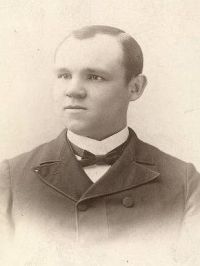
Portrait of James E. Talmage James E. Talmage Jesus the Christ — Chapter 25

Having spoken, Jesus again stooped and wrote upon the ground. The woman's accusers were "convicted by their own conscience"; shamed and in disgrace they slunk away, all of them from the eldest to the youngest. They knew themselves to be unfit to appear either as accusers or judges. [21] What cowards doth conscience make! "When Jesus had lifted up himself, and saw none but the woman, he said unto her, Woman, where are those thine accusers? hath no man condemned thee? She said, No man, Lord. And Jesus said unto her, Neither do I condemn thee: go and sin no more."
Source: Wikisource

Portrait of James E. Talmage James E. Talmage Jesus the Christ — Chapter 25

At these words, so rich in blessing, so full of comfort for the believing soul, the people were stirred to angry demonstrations; their Jewish temper was immediately ablaze. To promise them freedom was to imply that they were not already free. "We be Abraham's seed, and were never in bondage to any man: how sayest thou, Ye shall be made free?" In their unbridled fanaticism they had forgotten the bondage of Egypt, the captivity of Babylon, and were oblivious of their existing state of vassalage to Rome.
Source: Wikisource

Portrait of James E. Talmage James E. Talmage Jesus the Christ — Chapter 25

Reverting to the eternal riches offered by His gospel, the Master said: "Verily, verily, I say unto you, If a man keep my saying, he shall never see death." This rendered them the more infuriate: "Now we know that thou hast a devil" they cried, and as evidence of what they professed to regard as His insanity, they cited the fact that great as were Abraham and the prophets they were dead, yet Jesus dared to say that all who kept His sayings should be exempt from death. Did He pretend to exalt Himself above Abraham and the prophets? "Whom makest thou thyself?"
Source: Wikisource

Get perspective with Kwize: daily news enlightened by great literature