Summary

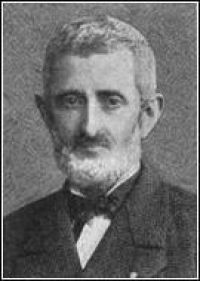
Portrait of Elijah Benamozegh Elijah Benamozegh Jewish and Christian Ethics — Chapter IX LOVE TO SINNERS (1873)

Once converted, the sinner need not envy the lot of the most just! Jesus, as we have seen, is eager to place him above the innocent, and that always, without observing the limits which common sense, justice and morality impose, and which the Pharisees are careful not to overstep. Can, indeed, every sort of convert aspire to the same degree of happiness and reward that attends the most just? Jesus, who wishes to attract to him, at any price, sinners, has no reserve.
Source: Wikisource

Portrait of Elijah Benamozegh Elijah Benamozegh Jewish and Christian Ethics — Chapter IX LOVE TO SINNERS (1873)

For them, what else is the father of the human race but a penitent. Abraham, his father Tarech, his son Ishmael, Reuben, one of the twelve fathers of the nation, Aaron himself, who so well taught others to repent, have they not been sinners? Is not David, the King of Israel, the Pharisees' representative of all sinners?
Source: Wikisource

Portrait of Elijah Benamozegh Elijah Benamozegh Jewish and Christian Ethics — Chapter IX LOVE TO SINNERS (1873)

The Zohar and the Midrasch eagerly draw this conclusion from the statement, "God is good to Israel; is it to all those bearing the name? By no means, but to those alone who are sinless, to men with pure hearts." "God loves the just," it is said elsewhere. "Why?" ask the Pharisees. "Because they are not so by heritage, because virtue is not hereditary." The sacerdotal office is a family gift. Can any one be priest or Levite? No; but he who wishes to be just, though a Pagan, can be so. Why? because virtue is not an inheritance.
Source: Wikisource

Get perspective with Kwize: daily news enlightened by great literature