Summary

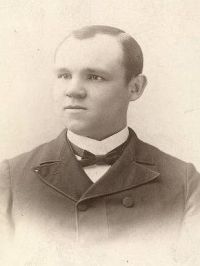
Portrait of James E. Talmage James E. Talmage,  Jesus the Christ — Chapter 9

“ Read thoughtfully the attested truth concerning the childhood of the Christ: "And the child grew, and waxed strong in spirit, filled with wisdom: and the grace of God was upon him." [5]
In such simplicity is the normal, natural development of the Boy Jesus made clear. He came among men to experience all the natural conditions of mortality; He was born as truly a dependent, helpless babe as is any other child; His infancy was in all common features as the infancy of others; His boyhood was actual boyhood, His development was as necessary and as real as that of all children.
”
Source: Wikisource

Portrait of James E. Talmage James E. Talmage,  Jesus the Christ — Chapter 9

“ Fear must have contended with joy within her soul because of Him. The memory of Gabriel's glorious promises, the testimony of the rejoicing shepherds, and the adoration of the magi must have struggled with that of Simeon's portentous prophecy, directed to herself in person: "Yea, a sword shall pierce through thy own soul also." [12]
As to the events of the eighteen years following the return of Jesus from Jerusalem to Nazareth, the scriptures are silent save for one rich sentence of greatest import: "And Jesus increased in wisdom and stature, and in favor with God and man."
”
Source: Wikisource

Portrait of James E. Talmage James E. Talmage,  Jesus the Christ — Chapter 9

“ Most of the houses are well built of stone, and appear neat and comfortable. The streets or lanes are narrow and crooked, and after rain are so full of mud and mire as to be almost impassable." At the time of Christ's life the town was not only regarded as unimportant by the Judeans who professed but little respect for Galilee or the Galileans, but as without honor by the Galileans themselves, as appears from the fact that the seemingly contemptuous question, "Can there any good thing come out of Nazareth?" ”
Source: Wikisource

Get perspective with Kwize: daily news enlightened by great literature