Summary

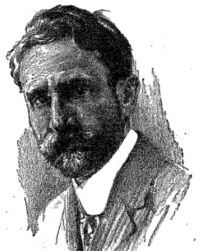
Portrait of James Henry Leuba James Henry Leuba The Psychological Origin and the Nature of Religion… (1909)

As belief in a God seems no longer possible, man seeks an impersonal, efficient substitute, belief in which will not mean disloyalty to science. For man will have life, and have it abundantly, and he knows from experience that its sources are not only in meat and drink, but also in ‘spiritual faith.’ It is this problem which the Comtists, the Immanentists, the Ethical Culturists, the Mental Scientists are all trying to solve. Any solution will have the right to the name Religion that provides for the preservation and the perfectioning of life by means of faith in a superhuman psychic Power.
Source: Wikisource

Portrait of James Henry Leuba James Henry Leuba The Psychological Origin and the Nature of Religion… (1909)

The outcome of speculative thinking is philosophy, of which Religion may make use, but that is not a reason for confusing it with philosophy. The religious experience consists not in seeking to understand God, but in fearing Him, in feeding upon Him, in finding strength and joy in Him. If believers in Ruling Powers may be called religious, it is not because they possess an idea of these powers, but in virtue of the guiding and inspiring influence these powers exert upon them.
Source: Wikisource

Portrait of James Henry Leuba James Henry Leuba The Psychological Origin and the Nature of Religion… (1909)

We take this opportunity of remarking how difficult it is even for particularly clear-headed persons to keep Religion distinct from philosophy. Lang was ill-advised enough to write in the same place, ‘If men believe in a potent being who originally made or manufactured . . . things, that is an idea so far religious that it satisfies, by the figment of a supernatural agent, the speculative faculty.’ What has ‘the speculative faculty’ to do with Religion?
Source: Wikisource

Get perspective with Kwize: daily news enlightened by great literature