Summary

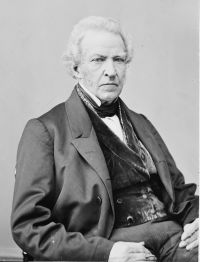
Portrait of James Moore Wayne James Moore Wayne O'Hara v. United States — Opinion of the Court

There is no grant for any quantity; when it is found, that the decree is restrained to a right to be determined by the number of workers which the memorialist shall have, that the governor had the power to make a grant with such a restriction, and that so shortly after the decree was made, as the following month, he promulgated a general rule for grants to new settlers; the inference is good, until it is contradicted by some other fact, or other regulation applying to new settlers, that the memorialist was to take under the decree in his favor, as contemporary new settlers would have to take.
Source: Wikisource

Portrait of James Moore Wayne James Moore Wayne O'Hara v. United States — Opinion of the Court

The memorialist never made a settlement. The witness, Marien, says, he did attempt a settlement; that a house was built; and that O'Hara informed him he had employed a carpenter to build it; but the memorialist never took his family or negroes to the land. The construction of a house was no compliance with the condition of the grant. That act itself could not, under the regulation, give a right to any number of acres. The right rested upon the persons, black and white, who might be carried to make a settlement. The house is good evidence of an intention to settle with persons
Source: Wikisource

Get perspective with Kwize: daily news enlightened by great literature