A grant signifies a formal allocation of rights, resources, or authority, typically regulated by legal or constitutional structures. Legal experts and jurists have long analyzed its consequences, highlighting its interpretive subtleties. William Blackstone distinguished the king’s grants—favoring the grantor—from those issued by private individuals, which are subject to strict interpretation.
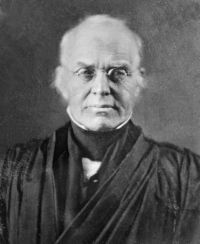
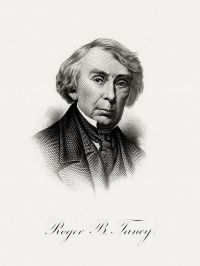
Joseph Story associated grants with constitutional powers, underscoring their role in facilitating governance while anchoring them to public interest. At the same time, judicial rulings, such as those in Charles River Bridge v. Warren Bridge, emphasized the need to align grants with the parties’ intentions and the practical context. These viewpoints collectively demonstrate that grants operate as both legal tools and manifestations of power relations, influenced by the objectives of their creators and the systems that regulate their use.