Summary

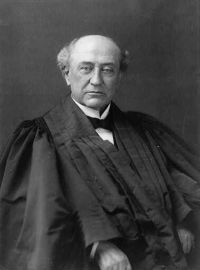
Portrait of David Josiah Brewer David Josiah Brewer Wisconsin Central Company v. Forsythe…

If this be true as to one part of the grant of 1864, why is it not equally true as to another portion of the grant, all of it being to the same grantee? When congress makes a grant of a specific number of sections in aid of any work of internal improvement, it must be assumed that it intends the beneficiary to receive such amount of land; and, when it prescribes that those lands shall be alternate sections along the line of the improvement, it is equally clear that the intent is that, if possible, the beneficiary shall receive those particular sections.
Source: Wikisource

Portrait of David Josiah Brewer David Josiah Brewer Wisconsin Central Company v. Forsythe…

The railroad company, under this construction, loses the land it supposed it was entitled to, which it has treated as its own, and has helped to make valuable; the government does not receive the $8,000, nor, indeed, anything, if the land be entered under the homestead laws; but a stranger comes in, who has done nothing to create that value, and appropriates it to his own benefit. The iniquity of such a result is at least suggestive.
But, further, it is urged that this question of title has been determined in the land department adversely to the claim of the plaintiff.
Source: Wikisource

Portrait of David Josiah Brewer David Josiah Brewer Wisconsin Central Company v. Forsythe…

So far as railroads are concerned, it is the thought, not merely that the general welfare will be subserved by the construction of the road along the lines indicated, but, further, that such grant shall not be attended with any pecuniary loss to the United States, for the universal rule is to double the price of even sections within the granted limits.
Source: Wikisource

Get perspective with Kwize: daily news enlightened by great literature