Summary

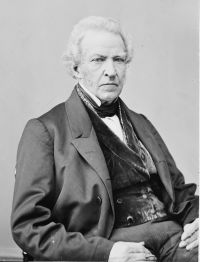
Portrait of James Moore Wayne James Moore Wayne Tobey v. Leonards — Opinion of the Court

We say next that the attempt by the defendants to discredit Jonathan Tobey as a man of truth is a failure, in fact, from all that the witnesses, introduced for such purpose, had said or could say about him, and that all that they did say has been rebutted by the evidence of witnesses more numerous than the former and as respectable. Some of them had known Tobey for years in the social relations of his life and in his public business; all of them swore without any qualification that they believe him to be a correct man, and that they would believe him upon his oath.
Source: Wikisource

Portrait of James Moore Wayne James Moore Wayne Tobey v. Leonards — Opinion of the Court

Courts of equity cannot decree against such denials in the answer of the respondent on the testimony of a single witness. On the contrary, the rule is universal, under such circumstances, that the complainant must have two witnesses, or one witness and corroborative circumstances, or he is not entitled to relief. The rule stands upon the reason, that when a complainant calls upon the respondent to answer allegations, he admits the answer to be evidence
Source: Wikisource

Portrait of James Moore Wayne James Moore Wayne Tobey v. Leonards — Opinion of the Court

William Tobey, the seventh witness, testifies that he was intimately acquainted with Horatio Leonard for seven years, including the year 1859, and that he called upon him at his place of business in Boston in reference to the matter, and said he had made a proposition to Stephen Tobey, that himself and Stephen should buy the claim of the Rotch heirs; Stephen to put in his claim; that they should be interested and improve the farm and occupy it together; and that, if Stephen should die without heirs, his interest should be willed to the children of Horatio.
Source: Wikisource

Get perspective with Kwize: daily news enlightened by great literature