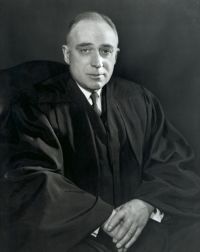
The concept of a complainant refers to an individual who initiates a legal claim, often central to judicial proceedings as the party alleging wrongdoing. Legal scholars and jurists, such as Melville Fuller and Samuel Freeman Miller, have examined the complainant’s role in shaping legal outcomes, emphasizing the evidentiary weight of their allegations and the judicial scrutiny they face.
Tucker Brooke’s testimony highlights the complainant’s behavior in employment disputes, while Mohandas K. Gandhi critiqued systemic biases in how complainants’ private grievances are addressed. These varied perspectives underscore the complainant’s dual role as both a catalyst for justice and a figure subject to interpretive and procedural challenges, reflecting the intricate interplay between legal formalism and human testimony.