Summary

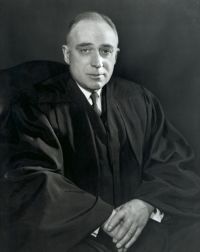
Portrait of John Marshall Harlan II John Marshall Harlan II Jaben v. United States — Opinion of the Court

A complaint must provide a foundation for that judgment. It must provide the affiant's answer to the magistrate's hypothetical question, 'What makes you think that the defendant committed the offense charged?' This does not reflect a requirement that the Commissioner ignore the credibility of the complaining witness. There is a difference between disbelieving the affiant and requiring him to indicate some basis for his allegations. Obviously any reliance upon factual allegations necessarily entails some degree of reliance upon the credibility of the source.
Source: Wikisource

Portrait of John Marshall Harlan II John Marshall Harlan II Jaben v. United States — Opinion of the Court

Some offenses are subject to putative establishment by blunt and concise factual allegations, e.g., A saw narcotics in B's possession,' whereas 'A saw B file a false tax return' does not mean very much in a tax evasion case. Establishment of grounds for belief that the offense of tax evasion has been committed often requires a reconstruction of the taxpayer's income from many individually unrevealing facts which are not susceptible of a concise statement in a complaint.
Source: Wikisource

Portrait of John Marshall Harlan II John Marshall Harlan II Jaben v. United States — Opinion of the Court

Since the Government's complaint stated the essential facts constituting the offense of attempted tax evasion and was made upon oath before a Commissioner, the Government contends that regardless of the complaint's adequacy for any other purposes, it was valid for the purpose of triggering the nine-month extension of the limitation period whether or not it showed probable cause.
Source: Wikisource

Get perspective with Kwize: daily news enlightened by great literature