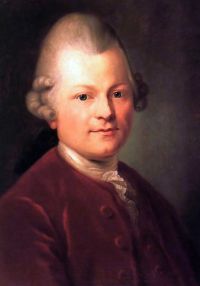
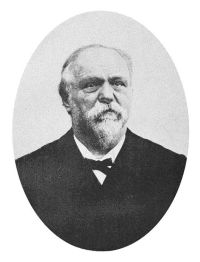
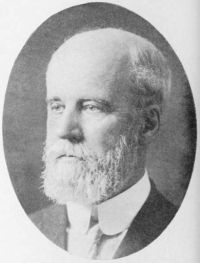
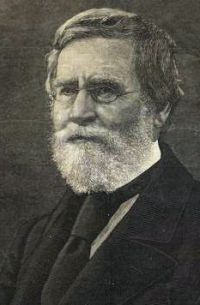
Assault, broadly defined, includes both physical aggression and strategic military action, highlighting its diverse presence in literature and legal discussion. From Edward Cotton’s portrayal of collective wartime enthusiasm to Gotthold Ephraim Lessing’s analytical consideration of bravery, the theme reveals multiple facets—ranging from individual duels, as in Baron de César Lecat Bazancourt’s fencing metaphor, to Georges Sorel’s examination of sacrificial violence in battle.
Legal and ethical guidelines, such as those presented by Charles J. Callan, further clarify assault’s subtleties, distinguishing intent from physical injury. These viewpoints, interwoven throughout historical and literary narratives, emphasize assault’s role as both a human impulse and a formalized act of conflict.