Summary

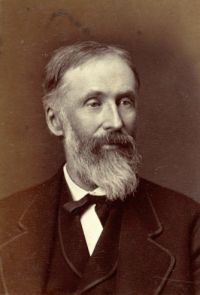
Portrait of Edward L. Pierce Edward L. Pierce The Negroes at Port Royal: Report of E. L. Pierce… (1862)

No effort is to be spared to work upon their better nature and the motives which come from it—the love of wages, of offspring, and family, the desire of happiness, and the obligations of religion. And when these fail,—and fail they will, in some cases,—we must not hesitate to resort, not to the lash, for as from the department of war so also from the department of labor, it must be banished, but to the milder and more effective punishments of deprivation of privileges, isolation from family and society, the workhouse, or even the prison.
Source: Wikisource

Portrait of Edward L. Pierce Edward L. Pierce The Negroes at Port Royal: Report of E. L. Pierce… (1862)

Far better a system which shall not invite such men to harass the leasing power, or excite expectations of a speedy fortune, to be derived from the labor of this people. Secondly: No man, not even the best of men, charged with the duties which ought to belong to the guardians of these people, should be put in a position where there would be such a conflict between his humanity and his self-interest—his desire, on the one hand, to benefit the laborer, and, on the other, the too often stronger desire to reap a large revenue—perhaps to restore broken fortunes in a year or two.
Source: Wikisource

Portrait of Edward L. Pierce Edward L. Pierce The Negroes at Port Royal: Report of E. L. Pierce… (1862)

There is probably not a rebel master, from the Potomac to the Gulf, who has not repeatedly made this assurance to his slaves. No matter what his religious vows may have been, no matter what his professed honor as a gentleman, he has not shrunk from the reiteration of this falsehood. Never was there a people, as all who know them will testify, more attached to familiar places than they.
Source: Wikisource

Get perspective with Kwize: daily news enlightened by great literature