Summary

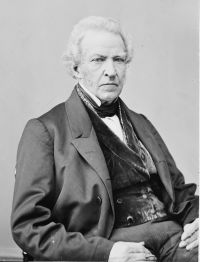
Portrait of James Moore Wayne James Moore Wayne United States v. City Bank of Columbus…

The term ordinary business, with direct reference to the duties of cashiers of banks, occurs frequently in English cases, and in the reports of the decisions of our State courts, and in no one of them has it been judicially allowed to comprehend a contract made by a cashier, without an express delegation of power from a board of directors to do so, which involves the payment of money, unless it be such as has been loaned in the usual and customary way.
Source: Wikisource

Portrait of James Moore Wayne James Moore Wayne United States v. City Bank of Columbus…

The case before us is one in which a cashier acts alone, and in which he testifies that he did so without any consultation with the president or directors of the company, and of which they had no information from him of the transaction until after the failure of Miner to pay the money in New Orleans. The act under which the City Bank of Columbus became a corporation does not, in any part of it, give any power to a cashier to act independently of the directors. No specific power is given to the directors to appoint a cashier.
Source: Wikisource

Portrait of James Moore Wayne James Moore Wayne United States v. City Bank of Columbus…

It cannot be pretended that the directors, as a whole, or any one of them, except Miner, consented to the cashier's designation of Miner for any such purpose as was concluded between them, to induce the Secretary to believe that Miner was the agent of the bank, either to buy stock of the United States or to enter into contracts for the transmission of money, free of charge, to those posts where the United States should designate it to be put.
Source: Wikisource

Get perspective with Kwize: daily news enlightened by great literature