Summary

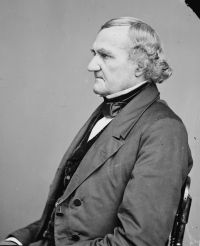
Portrait of John Catron John Catron Erwin v. Parham — Opinion of the Court

And as the bill stands on demurrer, and nothing beyond its allegations can be considered, it is not possible for us to say that the complainant is entitled to no relief at all, and therefore dismiss his bill. He paid only six hundred dollars for these thirteen notes, calling, in the aggregate, for $260,000; but this was paid on an execution sale, admitted by the demurrer to have been open to competition, regular, and fair. The payer, Parham, may have been insolvent, and the mortgage of no value for want of title in the mortgagor.
Source: Wikisource

Portrait of John Catron John Catron Erwin v. Parham — Opinion of the Court

No counsel appeared for the appellees, Dick, Hill, and Parham; and as it does not appear by the demurrer on what grounds of defense the respondents relied in the Circuit Court, or wherefore the court dismissed the bill, we have examined for ourselves, so far as we were enabled, whether any legal defect exists in the proceeding and process under which the notes were seized and sold. The bill alleges that all the steps taken were in due form of law; nor is any thing found in its statements contrary to the laws of Louisiana, so far as we can ascertain, that will render the sale void.
Source: Wikisource

Portrait of John Catron John Catron Erwin v. Parham — Opinion of the Court

That the revenues and profits of the estate are from $20,000 to $30,000 per year. That ever since the conveyance to Mrs. Elizabeth Jane Parham, James M. Wall and William S. Parham have resided upon the estate; the first having the sole management and control of the property, its issues and profits, and both deriving their maintenance and support therefrom.
The bill claims, that if the sale by Dick and Hill was lawful and in good faith, that the proceeds of that sale should be distributed pro rata among the several thirteen promissory notes
Source: Wikisource

Get perspective with Kwize: daily news enlightened by great literature