Summary

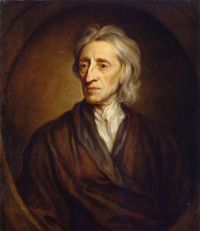
Portrait of John Locke John Locke An Essay Concerning Human Understanding…

What passions all men have. These two last, envy and anger, not being caused by pain and pleasure simply in themselves, but having in them some mixed considerations of ourselves and others, are not therefore to be found in all men, because those other parts, of valuing their merits, or intending revenge, is wanting in them. But all the rest, terminating purely in pain and pleasure, are, I think, to be found in all men. For we love, desire, rejoice, and hope, only in respect of pleasure ; we hate, fear, and grieve, only in respect of pain ultimately.
Source: Wikisource

Portrait of John Locke John Locke An Essay Concerning Human Understanding…

Were it my business here to inquire any further than into the bare ideas of our passions, as they depend on different modifications of pleasure and pain, I should remark, that our love and hatred of inanimate insensible beings is commonly founded on that pleasure and pain which we receive from their use and application any way to our senses, though with their destruction. But hatred or love, to beings capable of happiness or misery, is often the uneasiness or delight which we find in ourselves, arising from a consideration of their very being or happiness.
Source: Wikisource

Portrait of John Locke John Locke An Essay Concerning Human Understanding…

Amongst the simple ideas which we receive both from sensation and reflection, pain and pleasure are two very considerable ones. For as in the body there is sensation barely in itself, or accompanied with pain or pleasure, so the thought or perception of the mind is simply so, or else accompanied also with pleasure or pain, delight or trouble, call it how you please.
Source: Wikisource

Get perspective with Kwize: daily news enlightened by great literature