Summary

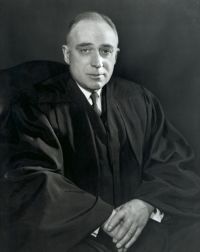
Portrait of John Marshall Harlan II John Marshall Harlan II Anonymous v. Baker — Opinion of the Court

We turn to the merits. An understanding of the nature of the proceedings before the Special Term is first necessary. In New York the traditional powers of the courts over the admission, discipline, and removal of members of the bar is placed by law in the Appellate Division of the State Supreme Court. N.Y. Judiciary Law, § 90. When the Appellate Division is apprised of conditions calling for general inquiry it usually appoints, as here, a Justice of the Supreme Court, sitting at Special Term, to make a preliminary investigation.
Source: Wikisource

Portrait of John Marshall Harlan II John Marshall Harlan II Anonymous v. Baker — Opinion of the Court

Appellants here are witnesses from whom information was sought as to the cause of the fire. A witness before a grand jury cannot insist, as a matter of constitutional right, on being represented by his counsel, nor can a witness before other investigatory bodies. There is no more reason to allow the presence of counsel before a Fire Marshal trying in the public interest to determine the cause of a fire.
Source: Wikisource

Portrait of John Marshall Harlan II John Marshall Harlan II Anonymous v. Baker — Opinion of the Court

Reputation in such a calling is a plant of tender growth, and its bloom, once lost, is not easily restored. The mere summons to appear at such a hearing and make report as to one's conduct, may become a slur and a reproach. Dangers are indeed here, but not without a remedy. The remedy is to make the inquisition a secret one in its preliminary stages. This has been done in the first judicial department, at least in many instances, by the order of the justice presiding at the hearing.
Source: Wikisource

Get perspective with Kwize: daily news enlightened by great literature