Summary

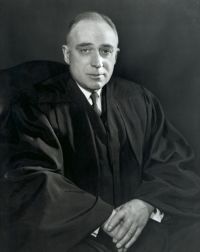
Portrait of John Marshall Harlan II John Marshall Harlan II Putnam v. Commissioner of Internal Revenue…

But when, as here, the debtor is insolvent at the very time the guarantor meets his obligation, it defies reality to attribute the guarantor's loss to anything other than the discharge of his guaranty obligation. To attribute that loss to the acquired debt in such a case requires one to conceive of the debt as having value at the moment of acquisition, but as withering to worthlessness the moment the guarantor touches it.
Source: Wikisource

Portrait of John Marshall Harlan II John Marshall Harlan II Putnam v. Commissioner of Internal Revenue…

The law implies a promise on the part of the principal debtor to reimburse the guarantor, and the guarantor's payment is treated not as extinguishing the debt but as merely substituting the guarantor for the creditor. * * * Accordingly, while a guarantor by entering into the guaranty contract and making payment thereunder puts himself in a position where he may sustain a loss, it is only if, and to the extent that, the debt which he acquires by subrogation is worthless that he actually sustains a loss.
Source: Wikisource

Portrait of John Marshall Harlan II John Marshall Harlan II Putnam v. Commissioner of Internal Revenue…

An example of a nonbusiness bad debt would be an unrepaid loan to a friend or relative, while business bad debts arise in the course of the taxpayer's trade or business. This liberal allowance for nonbusiness bad debts has suffered considerable abuse through taxpayers making loans which they do not expect to be repaid. This practice is particularly prevalent in the case of loans to persons with respect to whom the taxpayer is not entitled to a credit for dependents.
Source: Wikisource

Get perspective with Kwize: daily news enlightened by great literature