Summary

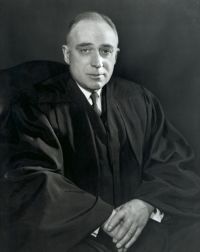
Portrait of John Marshall Harlan II John Marshall Harlan II United States v. Healy — Opinion of the Court

The question, therefore, is simply whether in a criminal case a timely petition for rehearing by the Government filed within the permissible time for appeal renders the judgment not final for purposes of appeal until the court disposes of the petition-in other words whether in such circumstances the 30-day period prescribed by Rule 11 (2) begins to run from the date of entry of judgment or the denial of the petition for rehearing.
Source: Wikisource

Portrait of John Marshall Harlan II John Marshall Harlan II United States v. Healy — Opinion of the Court

When a court after trial imposes sentence upon a defendant not represented by counsel, the defendant shall be advised of his right to appeal and if he so requests, the clerk shall prepare and file forthwith a notice of appeal on behalf of the defendant. An appeal by the government when authorized by statute may be taken within 30 days after entry of the judgment or order appealed from.'↑ In this case, the record and legal issues plainly indicate the good faith of the Government in petitioning for rehearing.
Source: Wikisource

Portrait of John Marshall Harlan II John Marshall Harlan II United States v. Healy — Opinion of the Court

The District Court dismissed the indictment on September 17, 1962 before trial. It held that a kidnaping is not 'for ransom or reward or otherwise,' as required by § 1201 (a) , unless committed for the pecuniary benefit of the defendant and that a private airplane is not 'an aircraft in flight in air commerce' within the meaning of the aircraft piracy provision, which it read as limited to commercial airliners. The Government's petition for rehearing, filed October 17, was denied on November 8.
Source: Wikisource

Get perspective with Kwize: daily news enlightened by great literature