Summary

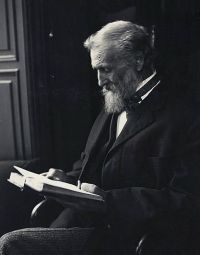
Portrait of John Muir John Muir The Yosemite — Snow-Storms (1912)

The Streams In Other Seasons In the spring, after all the avalanches are down and the snow is melting fast, then all the Yosemite streams, from their fountains to their falls, sing their grandest songs. Countless rills make haste to the rivers, running and singing soon after sunrise, louder and louder with increasing volume until sundown; then they gradually fail through the frosty hours of the night.
Source: Wikisource

Portrait of John Muir John Muir The Yosemite — Snow-Storms (1912)

Those which descend from the brow of El Capitan are particularly fine; but most of the great Yosemite avalanches flow in regular channels like cascades and waterfalls. When the snow first gives way on the upper slopes of their basins, a dull rushing, rumbling sound is heard which rapidly increases and seems to draw nearer with appalling intensity of tone. Presently the white flood comes bounding into sight over bosses and sheer places, leaping from bench to bench, spreading and narrowing and throwing off clouds of whirling dust like the spray of foaming cataracts.
Source: Wikisource

Portrait of John Muir John Muir The Yosemite — Snow-Storms (1912)

In early summer, after the flood season, the Yosemite streams are in their prime, running crystal clear, deep and full but not overflowing their banks — about as deep through the night as the day, the difference in volume so marked in spring being now too slight to be noticed. Nearly all the weather is cloudless and everything is at its brightest — lake, river, garden and forest with all their life. Most of the plants are in full flower.
Source: Wikisource

Get perspective with Kwize: daily news enlightened by great literature