Summary

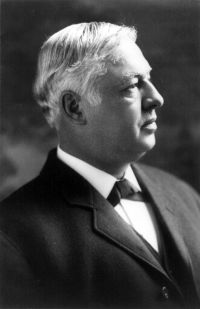
Portrait of Joseph Rucker Lamar Joseph Rucker Lamar Studley v. Boylston National Bank of Boston…

The banker's lien on deposits, the right of retention and set-off of mutual debts, are frequently spoken of as though they were synonymous, while in strictness, a set-off is a counterclaim which the defendant may interpose by way of cross-action against the plaintiff. But, broadly speaking, it represents the right which one party has against another to use his claim in full or partial satisfaction of what he owes to the other. That right is constantly exercised by business men in making book entries whereby one mutual debt is applied against another.
Source: Wikisource

Portrait of Joseph Rucker Lamar Joseph Rucker Lamar Studley v. Boylston National Bank of Boston…

For there is nothing in the statute which deprives a bank, with whom an insolvent is doing business, of the rights of any other creditor taking money without reasonable cause to believe that a preference will result from the payment. The bankruptcy act contemplates that by remaining in business and at work, an insolvent may become able to pay off his debts. It does not prevent him from continuing in trade, depositing money in bank, drawing checks and paying debts as they mature, either to his own bank or any other creditor.
Source: Wikisource

Portrait of Joseph Rucker Lamar Joseph Rucker Lamar Studley v. Boylston National Bank of Boston…

The remedy against that evil is found in the fact that the trustee is authorized to sue and recover if it is shown that after insolvency the money was deposited for the purpose of enabling a bank or other creditor to secure a preference. But to deny the right of set-off in cases like this, would in many cases make banks hesitate to honor checks given to third persons, would precipitate bankruptcy, and so interfere with the course of business as to produce evils of serious and far-reaching consequence.
Source: Wikisource

Get perspective with Kwize: daily news enlightened by great literature