Summary

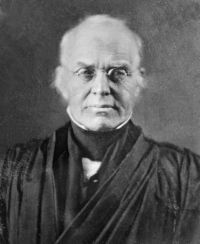
Portrait of Joseph Story Joseph Story Union Bank v. Laird — Opinion of the Court

A creditor may lawfully take and hold several securities for the same debt from his joint debtors; and he cannot be compellable to yield up either until his debt is paid. And in this case, there is no want of equity in holding the shares of Patton, who is the immediate debtor to the bank, liable in the first instance, rather than resorting to the security of an endorser, who is only liable upon the default of the acceptor.
Source: Wikisource

Portrait of Joseph Story Joseph Story Union Bank v. Laird — Opinion of the Court

The next inquiry is, whether the bank has done any thing to deprive itself of the lien upon the shares for the acceptance of Patton, since the same became due, and to let in the equitable title of the plaintiff. The acceptance is not yet paid; and nothing has been done by the bank affecting its rights, unless the subsequent taking of security for the acceptance from Smith, can be construed so to do. Certainly the bank had a right to require additional security from the endorser of the acceptance
Source: Wikisource

Portrait of Joseph Story Joseph Story Union Bank v. Laird — Opinion of the Court

By the 11th section of the act of incorporation, (act of 18th February, 1811, ch. 86.,) it is enacted, 'That the shares of the capital stock, at any time owned by any individual stockholder, shall be transferrable only on the books of the bank, according to such rules as may, conformably to law, be established in that behalf, by the president and directors
Source: Wikisource

Get perspective with Kwize: daily news enlightened by great literature