Summary

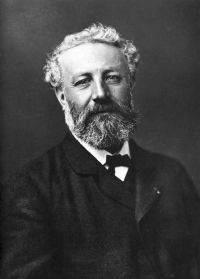
Portrait of Jules Verne Jules Verne In Search of the Castaways; or Captain Grant's Children… (1911)

The Dutch navigator concluded that these islands were adjacent to the islands of the same name on the east of Terra del Fuego, at the southern point of the American continent. He thought he had found "the Great Southern Continent."
"But," said Paganel to himself, "what a seventeenth century sailor might call a 'continent' would never stand for one with a nineteenth century man.
Source: Wikisource

Portrait of Jules Verne Jules Verne In Search of the Castaways; or Captain Grant's Children… (1911)

Abel Tasman sent his boats on shore, and they returned accompanied by two canoes and a noisy company of natives. These savages were middle height, of brown or yellow complexion, angular bones, harsh voices, and black hair, which was dressed in the Japanese manner, and surmounted by a tall white feather.
This first interview between Europeans and aborigines seemed to promise amicable and lasting intercourse. But the next day, when one of Tasman's boats was looking for an anchorage nearer to the land, seven canoes, manned by a great number of natives, attacked them fiercely.
Source: Wikisource

Get perspective with Kwize: daily news enlightened by great literature