Summary

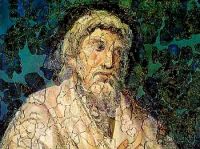
Portrait of Lactantius Lactantius Ante-Nicene Fathers Vol. VII — Fragments of Lactantius (1885)

For these affections of the mind being restrained within their proper limits, that is, being rightly employed, produce at present good qualities, and in the future eternal rewards. But when they advance [1] beyond their boundaries, that is, when they turn aside to an evil course, then vices and iniquities come forth, and produce everlasting punishments.
Source: Wikisource

Portrait of Lactantius Lactantius Ante-Nicene Fathers Vol. VII — Fragments of Lactantius (1885)

III. Firmianus, writing to Probus on the metres of comedies, thus speaks: “For as to the question which you proposed concerning the metres of comedies, I also know that many are of opinion that the plays of Terence in particular have not the metre of Greek comedy,—that is, of Menander, Philemon, and Diphilus, which consist of trimeter verses; for our ancient writers of comedies, in the modulation of their plays, preferred to follow Eupolis, Cratinus, and Aristophanes, as has been before said.”
Source: Wikisource

Portrait of Lactantius Lactantius Ante-Nicene Fathers Vol. VII — Fragments of Lactantius (1885)

I. Fear, love, joy, sadness, lust, eager desire, anger, pity, emulation, admiration,—these motions or affections of the mind exist from the beginning of man’s creation by the Lord; and they were usefully and advantageously introduced into human nature, that by governing himself by these with method, and in accordance with reason, man may be able, by acting manfully, to exercise those good qualities, by means of which he would justly have deserved to receive from the Lord eternal life.
Source: Wikisource

Get perspective with Kwize: daily news enlightened by great literature