Summary

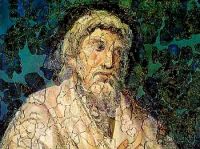
Portrait of Lactantius Lactantius Ante-Nicene Fathers Vol. VII, The Divine Institutes… (1885)

Hortensius in Cicero, contending against philosophy, is pressed by a clever argument; inasmuch as, when he said that men ought not to philosophize, he seemed nevertheless to philosophize, since it is the part of the philosophers to discuss what ought and what ought not to be done in life. We are free and exempt from this calumny, who take away philosophy, because it is the invention of human thought; we defend wisdom, because it is a divine tradition, and we testify that it ought to be taken up by all.
Source: Wikisource

Portrait of Lactantius Lactantius Ante-Nicene Fathers Vol. VII, The Divine Institutes… (1885)

For wisdom, unless it is engaged on some action on which it may exert its force, is empty and false; and Tullius rightly gives the preference, above teachers of philosophy, to those men employed in civil affairs, who govern the state, who found new cities or maintain with equity those already founded, who preserve the safety and liberty of the citizens either by good laws or wholesome counsels, or by weighty judgments. For it is right to make men good rather than to give precepts about duty to those shut up in corners, which precepts are not observed even by those who speak them
Source: Wikisource

Portrait of Lactantius Lactantius Ante-Nicene Fathers Vol. VII, The Divine Institutes… (1885)

But, inasmuch as it has received it, it follows that wisdom has existed from the beginning: therefore philosophy, inasmuch as it has not existed from the beginning, is not the same true wisdom. But, in truth, the Greeks, because they had not attained to the sacred letters of truth, did not know how wisdom was corrupted. And, therefore, since they thought that human life was destitute of wisdom, they invented philosophy
Source: Wikisource

Get perspective with Kwize: daily news enlightened by great literature