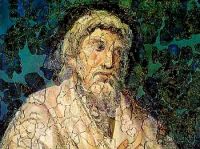
 Lactantius,
Ante-Nicene Fathers Vol. VII, The Divine Institutes…
(1885)
Lactantius,
Ante-Nicene Fathers Vol. VII, The Divine Institutes…
(1885)
“ Let us now see what there was so great in Socrates himself, that a wise man deservedly gave thanks that he was born in his times. I do not deny that he was a little more sagacious than the others who thought that the nature of things could be comprehended by the mind. And in this I judge that they were not only senseless, but also impious; because they wished to send their inquisitive eyes into the secrets of that heavenly providence. We know that there are at Rome, and in many cities, certain sacred things which it is considered impious for men to look upon. ”
