Summary

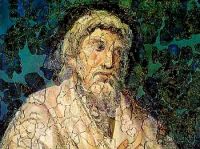
Portrait of Lactantius Lactantius Ante-Nicene Fathers Vol. VII, The Divine Institutes… (1885)

But we do not refer the chief good to the body, but we measure every duty by the preservation of the soul only. But if, as I have before taught, we must by no means spare our property that we may preserve kindness and justice, it is not a virtue to be frugal; which name beguiles and deceives under the appearance of virtue. For frugality is, it is true, the abstaining from pleasures; but in this respect it is a vice, because it arises from the love of possessing, whereas we ought both to abstain from pleasures, and by no means to withhold money.
Source: Wikisource

Portrait of Lactantius Lactantius Ante-Nicene Fathers Vol. VII, The Divine Institutes… (1885)

Does any one then believe that it can possibly happen that this same fear is the highest fortitude? By no means. For nature does not appear to admit that anything should fall back to its contrary. But yet I, not by any skilful conclusion, as Socrates does in the writings of Plato, who compels those against whom he disputes to admit those things which they had denied, but in a simple manner, will show that the greatest fear is the greatest virtue. No one doubts but that it is the part of a timid and feeble mind either to fear pain, or want, or exile, or imprisonment, or death
Source: Wikisource

Portrait of Lactantius Lactantius Ante-Nicene Fathers Vol. VII, The Divine Institutes… (1885)

Therefore I can call them by no other name than mad, who deprive man, a mild and sociable animal, of his name; who, having uprooted the affections, in which humanity altogether consists, wish to bring him to an immoveable insensibility of mind, while they desire to free the soul from perturbations, and, as they themselves say, to render it calm and tranquil; which is not only impossible, because its force and nature consist in motion, but it ought not even to be so.
Source: Wikisource

Get perspective with Kwize: daily news enlightened by great literature