Summary

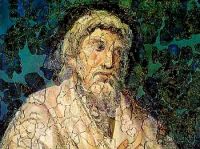
Portrait of Lactantius Lactantius Ante-Nicene Fathers Vol. VII, The Divine Institutes… (1885)

Thus it happens that in this life there is no reward of virtue, because virtue itself still exists. For as, when vices are completed in their performance, pleasure and their rewards follow; so, when virtue has been ended, its reward follows. But virtue is never ended except by death, since its highest office is in the undergoing of death: therefore the reward of virtue is after death.
Source: Wikisource

Portrait of Lactantius Lactantius Ante-Nicene Fathers Vol. VII, The Divine Institutes… (1885)

Because vices are commotions and perturbations of the soul; virtue, on the contrary, is mildness and tranquillity of mind. Because vices are temporary, and of short duration; virtue is perpetual and constant, and always consistent with itself. Because the fruits of vices, that is, pleasures, equally with themselves, are short and temporary, therefore the fruit and reward of virtue are everlasting. Because the advantage of vices is immediate, therefore that of virtue is future.
Source: Wikisource

Portrait of Lactantius Lactantius Ante-Nicene Fathers Vol. VII, The Divine Institutes… (1885)

Death, therefore, does not extinguish man, but admits him to the reward of virtue. But he who has contaminated himself, [6] as the same writer says, with vices and crimes, and has been the slave of pleasure, he truly, being condemned, shall suffer eternal punishment, which the sacred writings call the second death, which is both eternal and full of the severest torments.
Source: Wikisource

Get perspective with Kwize: daily news enlightened by great literature