Summary

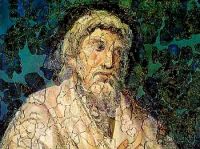
Portrait of Lactantius Lactantius Ante-Nicene Fathers Vol. VII, The Divine Institutes… (1885)

God made the world, as Plato thought, but he does not show why He made it. Because He is good, he says, and envying no one, He made the things which are good. But we see that there are both good and evil things in the system of nature. Some perverse person may stand forth, such as that atheist Theodorus was, and answer Plato: Nay, because He is evil, He made the things which are evil. How will he refute him? If God made the things which are good, whence have such great evils burst forth, which, for the most part, even prevail over those which are good?
Source: Wikisource

Portrait of Lactantius Lactantius Ante-Nicene Fathers Vol. VII, The Divine Institutes… (1885)

If there were evil, therefore there were also good things; so that either God made nothing, or if He made only good things, the evil things which were not made are more eternal than the good things which had a beginning. Therefore the things which at one time began will have an end, and those which always existed will be permanent. Therefore evils are preferable. But if they cannot be preferable, they cannot indeed be more eternal.
Source: Wikisource

Portrait of Lactantius Lactantius Ante-Nicene Fathers Vol. VII, The Divine Institutes… (1885)

Likewise a ship is built not for this purpose, that it may appear only to be a ship, but that men may be able to sail in it. Vessels also are made, not only that the vessels may exist, but that they may receive things which are necessary for use. Thus also God must have made the world for some use. The Stoics say that it was made for the sake of men; and rightly so. For men enjoy all these good things which the world contains in itself.
Source: Wikisource

Get perspective with Kwize: daily news enlightened by great literature