Summary

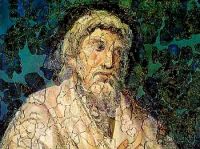
Portrait of Lactantius Lactantius Ante-Nicene Fathers Vol. VII, The Divine Institutes… (1885)

I say nothing of human affairs; for although they are connected with divine, yet, since they belong to man, let us grant that it is possible for man to know them. Certainly he cannot know divine things by himself, since he is a man; whereas he who knows them must be divine, and therefore God. But man is neither divine nor God. Man, therefore, cannot thoroughly know divine things by himself. No one, therefore, is wise but God, or certainly that man whom God has taught.
Source: Wikisource

Portrait of Lactantius Lactantius Ante-Nicene Fathers Vol. VII, The Divine Institutes… (1885)

But they, because they are neither gods, nor taught by God, cannot be wise, that is, acquainted with divine and human things. Knowledge, therefore, is rightly taken away by Socrates and the Academics. Supposition also does not agree with the wise man. For every one supposes that of which he is ignorant. Now, to suppose that you know that of which you are ignorant, is rashness and folly. Supposition, therefore, was rightly taken away by Zeno. If, therefore, there is no knowledge in man, and there ought to be no supposition, philosophy is cut up by the roots.
Source: Wikisource

Get perspective with Kwize: daily news enlightened by great literature