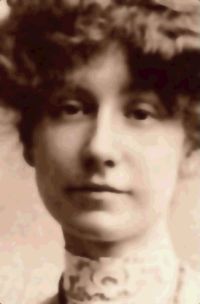
Marjorie Bowen

Marjorie Bowen

Cuckoo Pint (1915)

Summary

Portrait of Marjorie Bowen Marjorie Bowen Cuckoo Pint (1915)

Now, as he stared towards Portsmouth and at the little group of cottages round the lonely inn "The Sign of the Huts," and a change house for the London coach, the highwayman's face assumed a lowering expression of rage and impatience, until he looked like an ugly mastiff dog. He was known as Black Harry, from the great swarthiness of his skin, which, always dark, was now burnt bronze by wind and sun.
Source: Wikisource

Portrait of Marjorie Bowen Marjorie Bowen Cuckoo Pint (1915)

He was too well used to the sight, too well aware of what his own end would be, if caught, to trouble in the least about the ghastly object hanging on Gallows Hill, though only a year ago those bones had been clothed in flesh—flesh and blood—a living man, who had crouched, as he now crouched, at the edge of the Devil's Punch Bowl, and looked, as he now looked, greedily up and down the road for some traveller to London.
Source: Wikisource

Portrait of Marjorie Bowen Marjorie Bowen Cuckoo Pint (1915)

Black Harry knew at once that he had seen him before, but could not remember where—probably in London, he thought, in his better days.
The young man returned his scrutiny with impatience.
"Well, fellow, what do you want?" he demanded, with some hauteur.
"You carry it off well, my young cock, I must say," returned the other. "What do you suppose I want? All that you have, and you should be thankful that I don't slit your silly windpipe and send you down among those gorse bushes, where better men have gone before you."
At these words the traveller turned pale, but preserved his composure.
Source: Wikisource

Get perspective with Kwize: daily news enlightened by great literature