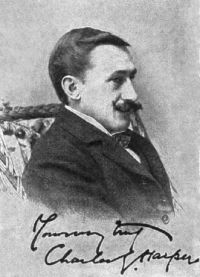
The highwayman, a figure of both romantic charm and historical infamy, represents the clash between danger and drama in literary tradition. From Alfred Noyes’ vivid moonlit scenes of a dashing robber riding toward an inn to Charles G. Harper’s stark depictions of their grim reality, writers have examined this theme through contrasting perspectives.
While some, like Frank E. Smedley, added humor to their portrayals, others, such as Harper, highlighted the highwayman’s frequently cowardly and cruel side, challenging romanticized legends. These differing methods reveal a lasting interest in the meeting of crime, charm, and societal decline, as seen in the genre’s continued influence.