“ Compare it with another public notice which is sometimes exhibited in the darker cities of England: “Beware of pickpockets, male and female.” Here, again, there is information. A pickpocket may come along presently, just like a tram, and we take our measures accordingly. But there is something else besides. Atmosphere is created. Who can see those words without a slight sinking feeling at the heart? All the people around look so honest and nice, but they are not, some of [Pg 9] are pickpockets, male or female. They hustle old gentlemen, the old gentleman glances down, his watch is gone. ”
Pickpocketing
Definition and stakes
Pickpocketing, a form of theft involving the stealthy removal of valuables from a victim’s person without their knowledge, has long been both a criminal act and a performance. Authors like E. M. Forster emphasized its psychological effects, evoking discomfort through public cautions, while P. T. Barnum recorded its frequency at fairs, remarking on the daring of accomplished thieves. James J.
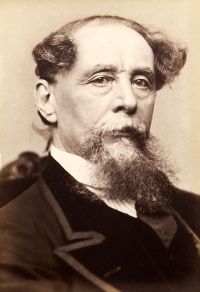
Walsh examined its techniques, explaining how distractions in crowded places allow pickpockets to take advantage of lapses in human focus. From literature to film, the theme highlights duality: a means of survival for the disadvantaged and a display of expertise, as seen in stories from Dickens’ Oliver Twist to contemporary cinematic depictions. This practice, grounded in both need and artistry, illustrates the relationship between vulnerability and ingenuity in human society.
Quotes about “pickpocketing”
1911 Encyclopædia Britannica (1911)
“ PICKET, Piquet or Piquet (Fr. piquet, a pointed stake or peg, from piquer, to point or pierce) , a military term, signifying an outpost or guard, supposed to have originated in the French army about 1690, from the circumstance that an infantry company on outpost duty dispersed its musketeers to watch, the small group of pikemen called piquet remaining in reserve. Thus at the present day the word “picquet” is, in Great Britain at any rate, restricted to an infantry post on the outpost line, from which the sentries or “groups” of watchers are sent out. ”
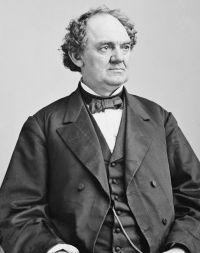 P. T. Barnum,
Struggles and Triumphs: or, Forty Years' Recollections of P. T. Barnum
P. T. Barnum,
Struggles and Triumphs: or, Forty Years' Recollections of P. T. Barnum
“ Pickpockets are always present at these country fairs, and every year there were loud complaints of the depredations of these operators. In 1853 a man was caught in the act of taking a pocket-book from a country farmer, nor was this farmer the only one who had suffered in the same way. The scamp was arrested, and proved to be a celebrated English pickpocket. As the Fair would close the next day, and as most persons had already visited it, we expected our receipts would be light. ”