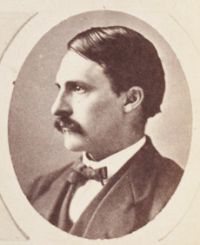
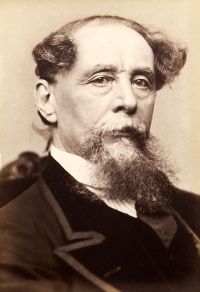
The "roadside" denotes the margins of roads, where nature and human activity intersect, often serving as a liminal space between the built environment and the wild. Authors have long explored this theme, from Burton Egbert Stevenson’s lyrical depiction of the roadside as a place of quiet, creeping presence to Mrs. Oliphant’s vivid evocation of its natural beauty, where "multitudinous plants" and "twinkle of burns" enchant the traveler.
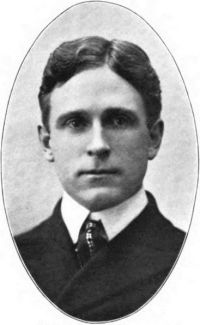
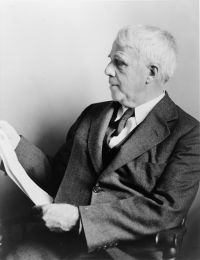
Others, like Burton Willis Potter, emphasize its dual role as both a testament to rural heritage and a site of contested development, while Robert Frost frames it as a backdrop for emotional resonance, blending natural imagery with human vulnerability. These varied perspectives underscore the roadside’s enduring significance as a space of transition, reflection, and coexistence between the transient and the lasting.
 Burton Egbert Stevenson,
The Home Book of Verse — Volume 3
Burton Egbert Stevenson,
The Home Book of Verse — Volume 3