Summary

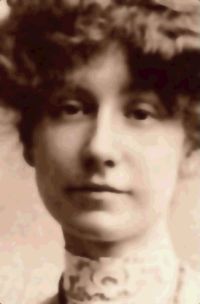
Portrait of Marjorie Bowen Marjorie Bowen The Viper of Milan — 16. For a Game of Chess (1906)

Make haste, Count Conrad, hurry to Carrara's tent as you were told, and see what he is doing."
Conrad, flushed with wine, allowed the boyish sneer to goad him into fury.
"I play the spy at no one's bidding," he said. "I do not leave my tent to-night." And he flung himself on the couch.
"But what did the Duke order? It will go ill with you when he hears of disobedience," sneered Vincenzo.
"Let it go well or ill, I will not leave my tent to-night on any errand, save I choose." And Count Conrad's words were heard by another than Vincenzo and Vittore, Giacomo Carrara, who listened outside.
Source: Wikisource

Portrait of Marjorie Bowen Marjorie Bowen The Viper of Milan — 16. For a Game of Chess (1906)

A low rumble filled the tent, d'Este took no heed.
"I take thy knight," he said, "it ruins thee."
Conrad laughed, he did not take the game so seriously.
"I will visit Carrara," he said, rising, "and go the rounds."
"Thou wilt finish the game," said Vincenzo angrily. "Does it pall the moment thou failest to win?"
"My faith, I fail when it palls. But doubtless thou wilt win yet, if thou dost not grow too hot," and Conrad fanned the boy with the points of his sleeves.
Source: Wikisource

Portrait of Marjorie Bowen Marjorie Bowen The Viper of Milan — 16. For a Game of Chess (1906)

But Vincenzo, hot-tempered and passionate, sprang forward with boyish passion.
"Thou shalt not have the emerald," he cried.
"Must I fight for it?" smiled Conrad, and glanced at Vincenzo's little dagger. "The emerald seems worth it—only I should be afraid of hurting thee." And as he spoke he poured out more wine, drinking it gracefully.
"I will fight only with an equal," said Vincenzo.
Conrad turned on him, and for all his smile his blue eyes were dark. "Thou reckless boy!" he said. "The Germans are the lords of Italy. What is thy family but a fief to the Emperor?"
Source: Wikisource

Get perspective with Kwize: daily news enlightened by great literature