Summary

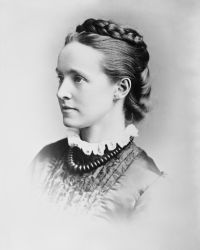
Portrait of Millicent Garrett Fawcett Millicent Garrett Fawcett Women's suffrage: a short history of a great movement… (1911)

For with what truth or rationality could the suffrage be termed universal while half the human species remain excluded from it? To declare that a voice in the government is the right of all, and demand it only for a part—the part, namely, to which the claimant belongs—is to renounce even the appearance of principle.
Source: Wikisource

Portrait of Millicent Garrett Fawcett Millicent Garrett Fawcett Women's suffrage: a short history of a great movement… (1911)

It has been remarked that the successful conduct of every great change needs the combination of the spirit of order with the spirit of audacity. It was the good fortune of the women's movement in England to secure both these. The suffrage societies from the first saw the necessity of keeping to suffrage work only; but the same individuals in a different capacity were labouring with heroic persistence and untiring zeal to lift up the conditions of women's lives in other ways
Source: Wikisource

Portrait of Millicent Garrett Fawcett Millicent Garrett Fawcett Women's suffrage: a short history of a great movement… (1911)

Mill's election was very like what it is now in respect of women's suffrage. Parliament had been playing with the subject for a great many years. Reform Bills had been introduced, voted for, and abandoned again and again. The real reformers were growing impatient. I, myself, heard John Bright say about this time or a little later that he began to think the best way of carrying a Reform Bill was to tell working men that "a good rifle could be bought for £2." Candidates who stood for election pledged themselves to Parliamentary Reform, but year after year went by and nothing was done.
Source: Wikisource

Get perspective with Kwize: daily news enlightened by great literature