Summary

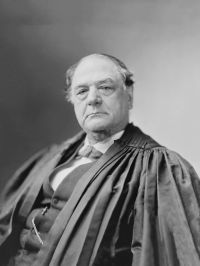
Portrait of Noah Haynes Swayne Noah Haynes Swayne Finch v. United States — Opinion of the Court

The meters were soley for the benefit of the United States. The appellants had no interest in their working well. If they had any interest in the result, it was in the other direction.
The sole object of the meters was to prevent or expose frauds by the distillers. If the meters were effectual for these purposes, so much the better for the government. If they were a failure, so much the worse. If the distillers were honest, the success of the meters was to them wholly immaterial.
Source: Wikisource

Portrait of Noah Haynes Swayne Noah Haynes Swayne Finch v. United States — Opinion of the Court

They compelled the distillers to buy and pay for Tice meters, as was done in the case in hand, and left them no choice to do otherwise. One of those regulations was as follows: 'Under the provisions of the law the distiller is required to furnish and attach meters at his own expense, and also to furnish all pipes, materials, labor, and facilities necessary to complete such attachment. The first duty of a distiller is, of course, to procure a meter. The manufacturer is not required to furnish the meters on credit, and ought not to be expected to do so.
Source: Wikisource

Portrait of Noah Haynes Swayne Noah Haynes Swayne Finch v. United States — Opinion of the Court

Nor can there be any valid demand against the United States upon the ground of money paid and expended for their benefit. The meters were bought and paid for by the appellants. They chose to give the order and pay the money rather than give up the business. The meters were delivered to them by the manufacturer. They owned them, and still own them. The United States never asserted any claim to them. After their use was finally dispensed with by the government, the distillers had the right, as they still have, to dispose of them according to their discretion.
Source: Wikisource

Get perspective with Kwize: daily news enlightened by great literature